
Mold Remediation
Mold remediation is the process of containing, removing and cleaning mold growth, then fixing the moisture problem that caused it.
See mold remediationGet a clear plan for moldy belongings in Avocado Heights. The scope should cover moisture, inventory, salvage, cleaning, storage and return.
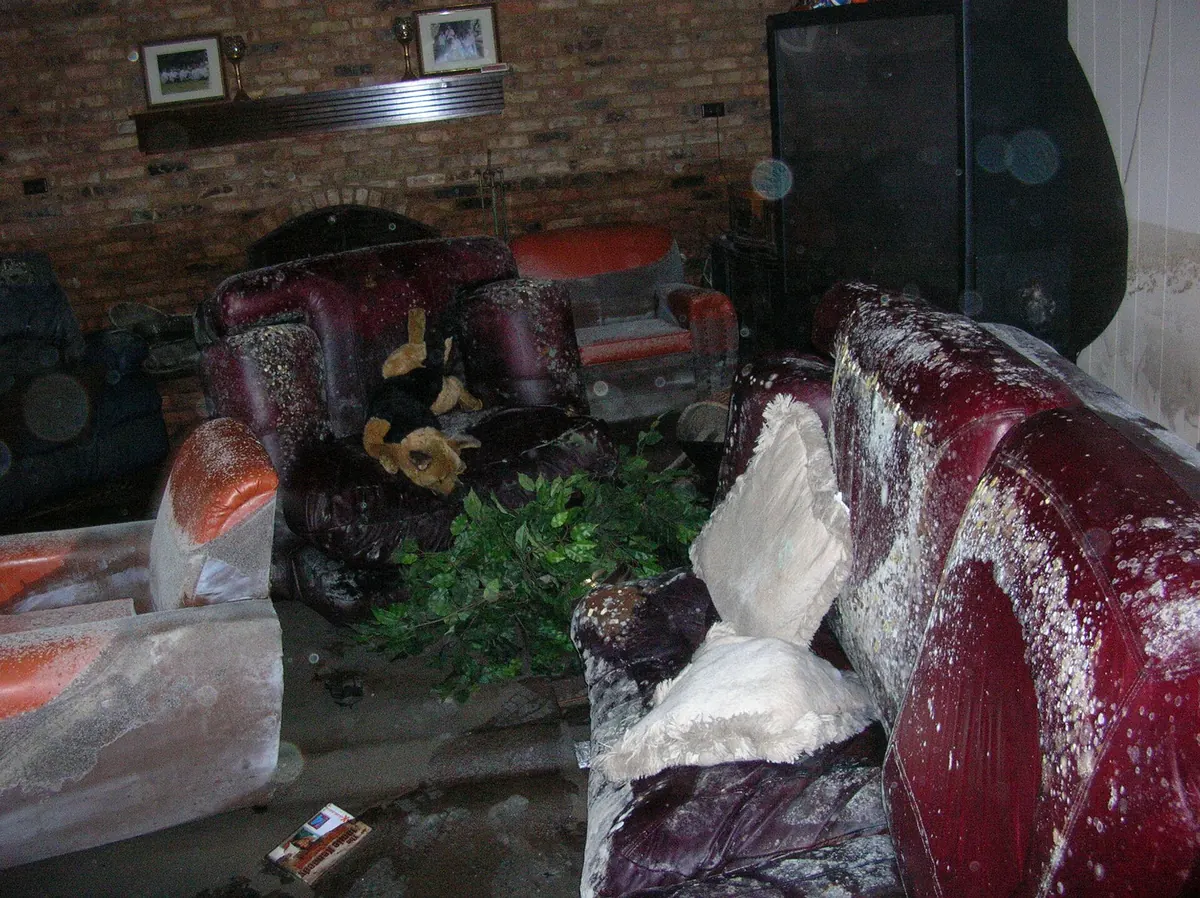
With contents cleaning, mold-affected or damp property is separated, cleaned and dried.
Start by correcting the moisture source. Condensation, a leak or elevated relative humidity may affect both your belongings and surrounding building materials. Wait until the room is dry before returning cleaned items.
Non-porous materials tend to be more practical to clean. With upholstery, a mattress or books, growth may remain under the surface because these items are porous. A controlled pack-out documents the property, then separates it from the work zone.
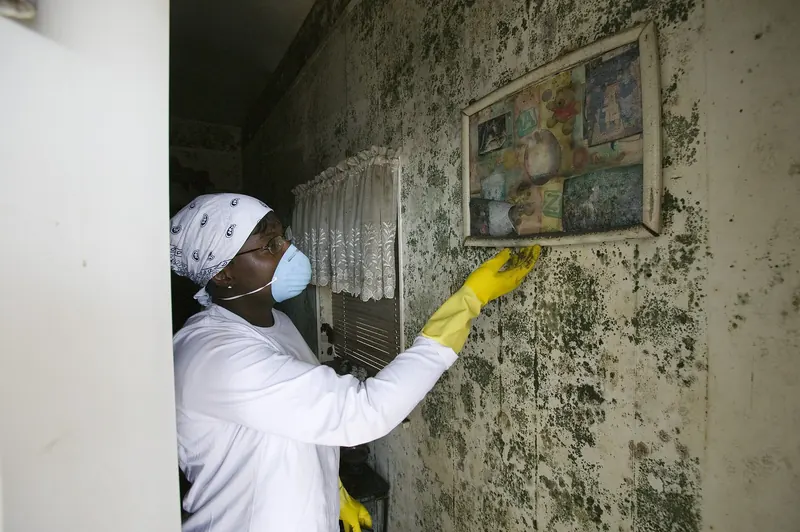
Ask how the source and affected building materials will be addressed.
The list should separate cleaned, specialty and discarded goods.
Ask about HEPA filtration and movement through an occupied building, including any after-hours work.
Choose an independent assessor when clearance testing is part of the work.
When dust, odor or mold affects your property, cleaning may be necessary before building materials are remediated.
An inventory and pack-out separate clean belongings from HEPA filtration and drywall removal work.
Growth in several rooms can signal a wider moisture or ventilation problem.
The care label and growth depth determine whether disposal, laundering or dry cleaning is appropriate.
Before putting the item back, inspect it along with the damp flooring or wall behind it.
Stop moisture and limit movement before sorting belongings.
Call (844) 352-3560The Mold Remediation Cost guide from Fixr lists a cleaning cost of $2 to $20 per pound for soft furnishings and contents. Material, disposal requirements, and the type and amount of property shape your scope.
No site visit was used for these ranges, which are drawn from published national cost guides. Your property price is set after an on-site assessment and should be explained before work starts.
Ask about cost: (844) 352-3560Policy terms and the moisture source determine whether coverage applies. Treatment may differ between sudden water and a long-term leak.
Ask which records are required and report the incident without delay.
The policy may treat a broken pipe differently from gradual leakage.
Under California's housing law, visible mold found by a health officer or code enforcement officer can make a rental substandard. Renters can contact their local health or code enforcement department to ask for an inspection. Payment may depend on your lease, the moisture source and the policy.
California's Toxic Mold Protection Act includes a landlord written-disclosure section (Health and Safety Code 26147). By its own wording it applies only after the state adopts mold exposure standards, and the state health department has said it could not set them. Keep your disposal records, item inventory and remediation documents.
Inventory, cleaning methods, storage and return should all appear in a written scope.
Find the source and identify affected materials. Thermal images do not identify mold.
List each item as cleaned, sent for specialty care or discarded.
To limit dust spread, use poly sheeting and plan how items will move.
Controlled work areas can be filtered using a HEPA air scrubber, a type of air filtration device.
Washing or dry cleaning may be suitable for clothing. A HEPA vacuum and damp wiping may suit other materials.
A dehumidifier may support drying. Use air movers without distributing contaminated material.
An independent assessor should perform any air sampling, clearance testing or post-remediation verification.

Call whenever you need. A moldy belongings and contents cleaning specialist answers, talks through what you are seeing and explains the next steps.
Furniture may stay damp inside, and moving it can spread particles elsewhere.
Excess moisture or aggressive scrubbing can damage electronics, finishes and textiles.
Mold can trigger allergy and asthma symptoms. People are more at risk when they have lung disease, asthma or weakened immune systems.
Upholstered and out-of-view surfaces can stay damp. A moisture meter helps direct checking.
Can you clean it yourself? EPA says areas under about 10 square feet can often be cleaned by the homeowner. When contaminated water, a larger area or HVAC involvement is present, seek professional help.
Compared with porous materials affected below the surface, hard surfaces are often simpler to clean.

California has no state license or certification for mold assessors or remediators, according to the California Department of Public Health. General construction work above a small dollar amount does need a license from the Contractors State License Board (CSLB), so it is worth checking a contractor's license there and asking about their mold training. Ask about permits for building removal.
Stop the moisture and complete drying of water-damaged items and areas within 24 to 48 hours.
There is no federal limit for indoor mold levels. Use moisture and material type to decide.
The California Department of Public Health (CDPH) Air Quality Section publishes mold and dampness guidance and a mold FAQ. CDPH says visible mold, dampness, and mold odor are unhealthy and should be fixed, and that routine mold testing is not needed when mold is visible. Find out about rules for related building tasks and your specific property type.
Item types, treatment methods and the building's readiness for returned belongings determine timing.
The full moldy belongings and contents cleaning guide covers what is cleaned or removed, odor and air quality work, and the rules that apply in California and Los Angeles County.
Read the full moldy belongings and contents cleaning guidePlanning for moisture control, containment and mold cleanup can be influenced by local humidity, housing and property access.
The local renter share is 26 percent, so many mold concerns may involve a homeowner checking connected rooms and building materials rather than one isolated surface.
Because the median home dates to 1963, maintenance history matters when tracing whether repeated plumbing, roof, or drainage problems have kept materials damp.
With 91 percent single-family housing, moisture may travel from a roof, foundation, or plumbing line into hidden areas beyond the first room showing mold.
With 8 percent of seniors living alone, regular checks under sinks and around ceilings can still help reveal moisture before mold spreads behind materials.
Your call can include questions about mold cleanup availability in close-by communities and ZIP codes.
Mold remediation is the process of containing, removing and cleaning mold growth, then fixing the moisture problem that caused it.
See mold remediation
During mold cleanup, affected surfaces and materials are cleaned, damaged items are bagged and the area is made ready for repairs.
See mold cleanup
Residential mold removal covers mold in houses and condos, from a single room to several areas, handled by a local crew.
See residential mold removal
Whole-house mold remediation addresses growth across multiple home areas through containment, removal, cleaning and repair planning.
See Whole-House mold remediation
With mold damage restoration, mold is removed first, then affected drywall, floors, insulation and other materials are fixed or replaced.
See mold damage restoration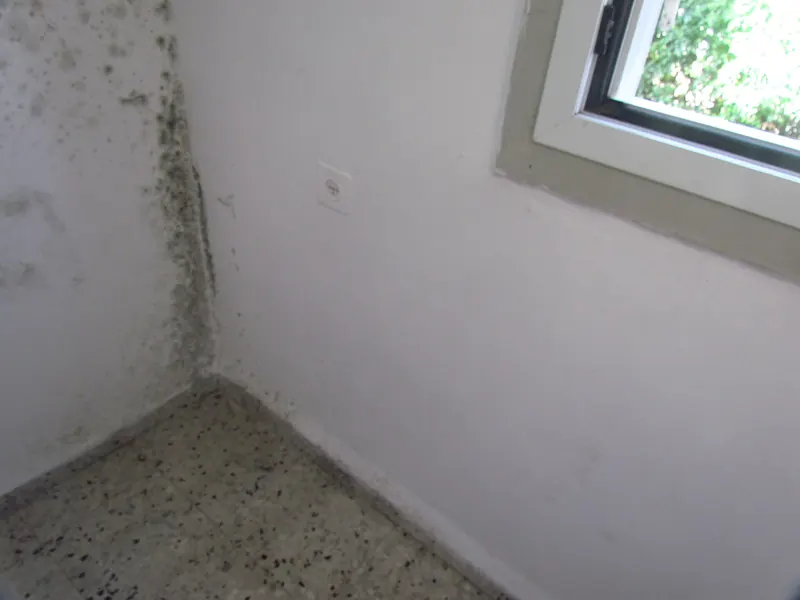
Mold odor removal tracks down the source of a musty smell and treats the area so it does not return.
See mold odor removal
Water damage mold cleanup removes mold that grows after a leak or flood and dries the structure so it does not return.
See water damage mold cleanup
Mold remediation in a rental house or unit removes affected materials and includes documentation of the work for management or ownership.
See rental property mold remediationFollow garment care guidance, address the moisture source and allow all items to dry thoroughly. Scented products only cover a musty smell. When suitable cleaning and drying do not remove the odor, the fabric may retain affected material and need reassessment for salvage.
Keep mold-affected clothes away from clean laundry after correcting the moisture source. Check and follow the garment's care label. Some items may be laundered or dry cleaned. Saving fabric may be impractical when it has deep growth, persistent odor, damage or exposure to contaminated water.
Not necessarily. Laundering may suit washable clothing with limited surface growth, but delicate material may require dry cleaning. Disposal may be necessary for clothes with damage, deep growth or exposure to contaminated water. Photograph and list items first if an insurance claim is possible.
Sometimes. The outcome varies with fabric type, stain severity and growth depth. A visible mark may persist following cleaning. Keep garments out of a closet that is still damp. Before replacing cleaned items, correct leaks, high humidity or condensation, then fully dry the storage area.
Fixr lists cleaning soft furnishings and contents at $2 to $20 per pound. Your scope is affected by cleaning approach, pack-out needs, disposal, item quantity and type, and whether materials are porous. Request a full inventory and cost details that identify each source.
Cleaning is often more practical on sealed wood, metal, glass and other washable surfaces. Mold removal from upholstered furniture is harder because growth can reach the filling. The extent of growth, item condition and construction shape whether it can be fully cleaned and dried.
Calls about moldy belongings and contents cleaning are answered 24 hours a day, so you can receive clear and practical guidance.